2026-27 EVENTS
-
![The logo of the Israeli Opera, red Hebrew letters on a black background]()
SALOME
May 8, 9, 11, 12, 14, 15, 17, 18, 2026
Strauss’ one-act opera, based on the play by Oscar Wilde and directed by Itay Tiran. Mr. Blake plays the role of Narraboth. (All production dates listed above, please confirm individual cast appearances on the Israeli Opera site.)
-
![A wooden pavilion with strings of party lights strung over a patio]()
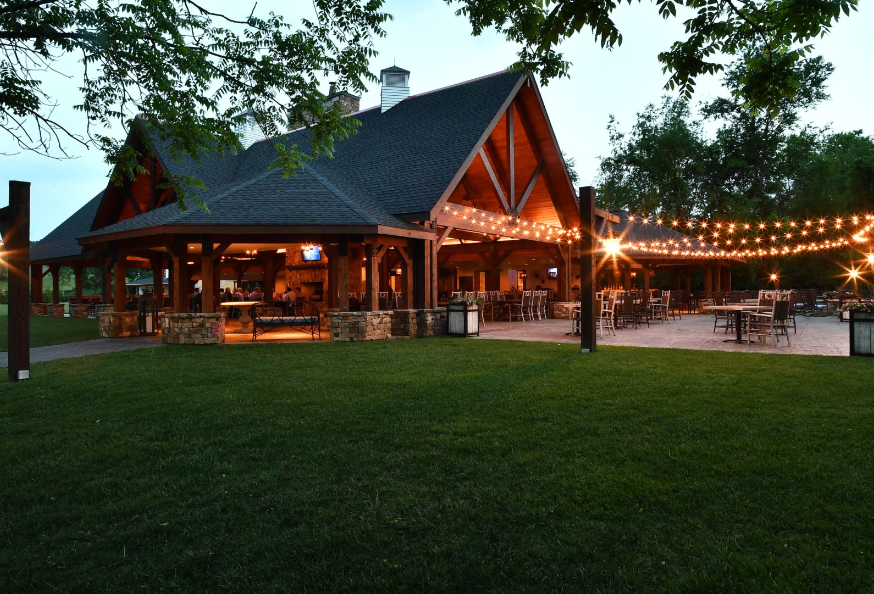
Opera at The Olde Farm
Saturday, June 13
Mr. Blake honors the 250th anniversary of the nation with a celebratory outdoor evening in the mountains of Virginia.
-
![The Fisher Center, designed by Frank Gehry, at Bard College. A silver wavy building with people gathered on the lawn]()
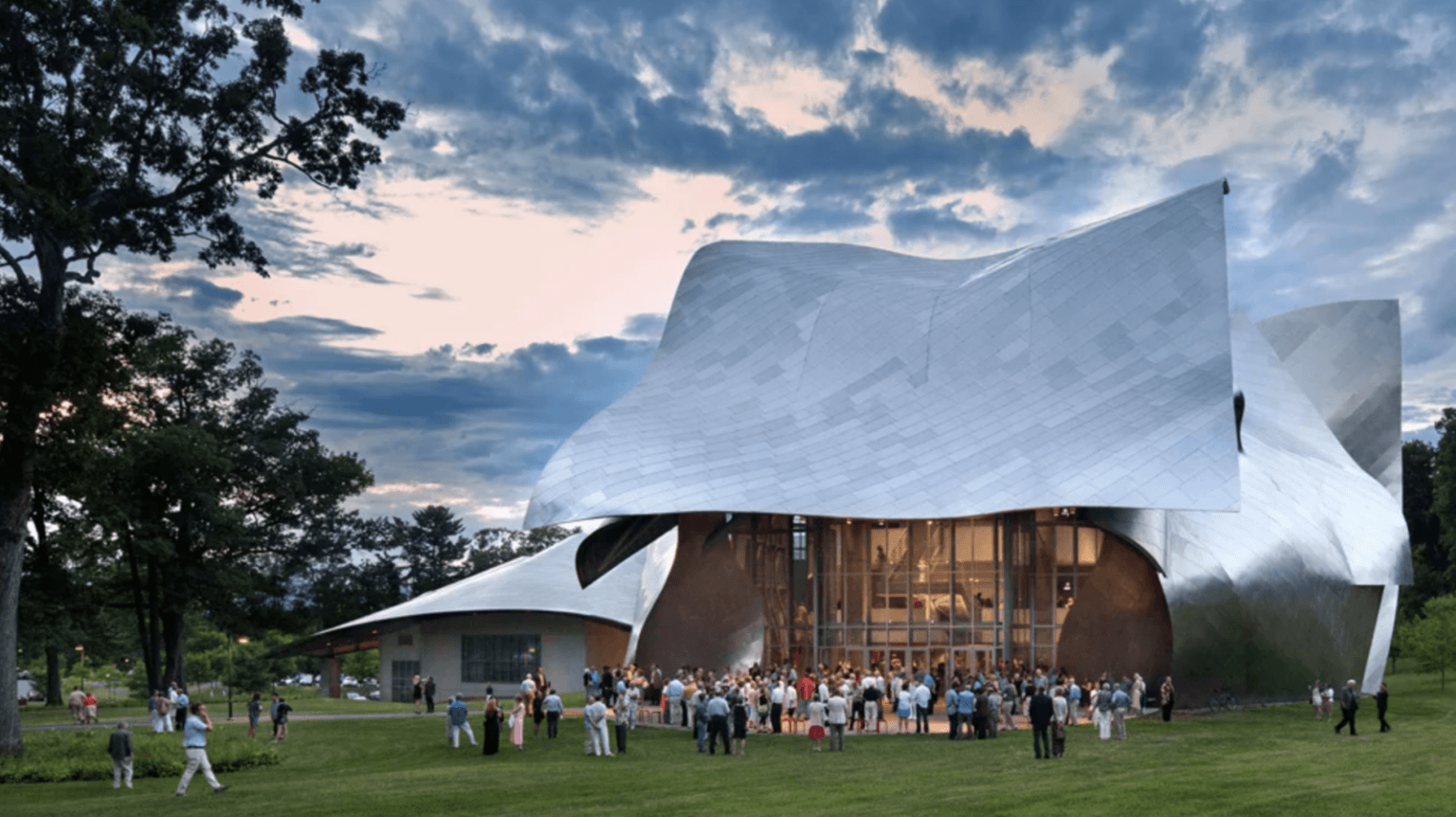
Bard Summerscape: Theatrical Life in Vienna
Sunday, Aug. 9
Join in the festival and Mr. Blake for an investigation of the popular Viennese theater traditions that inspired two of Mozart’s best-loved comic characters: Don Giovanni’s Leporello and The Magic Flute’s Papageno
-
![The Fisher Center at Bard College, a silver wavy building designed by Frank Gehry, with people gathered on the lawn]()
BARD SUMMERSCAPE: RIVALRIES & CONSPIRACIES
Sunday, Aug. 9
Back room bets, political intrigue, conspiratorial maneuvering — Mozart and Salieri did it best! Join the festival and Mr. Blake to explore the musical rivalry of the ages
-
![A silver building with a wavy roof and people gathered on the lawn]()
BARD SUMMERSCAPE: ABDUCTION FROM THE SERAGLIO
Sunday, Aug. 16
Celebrate the beauty of Mozart with Mr. Blake in the capstone performance of the Bard Music Festival
-
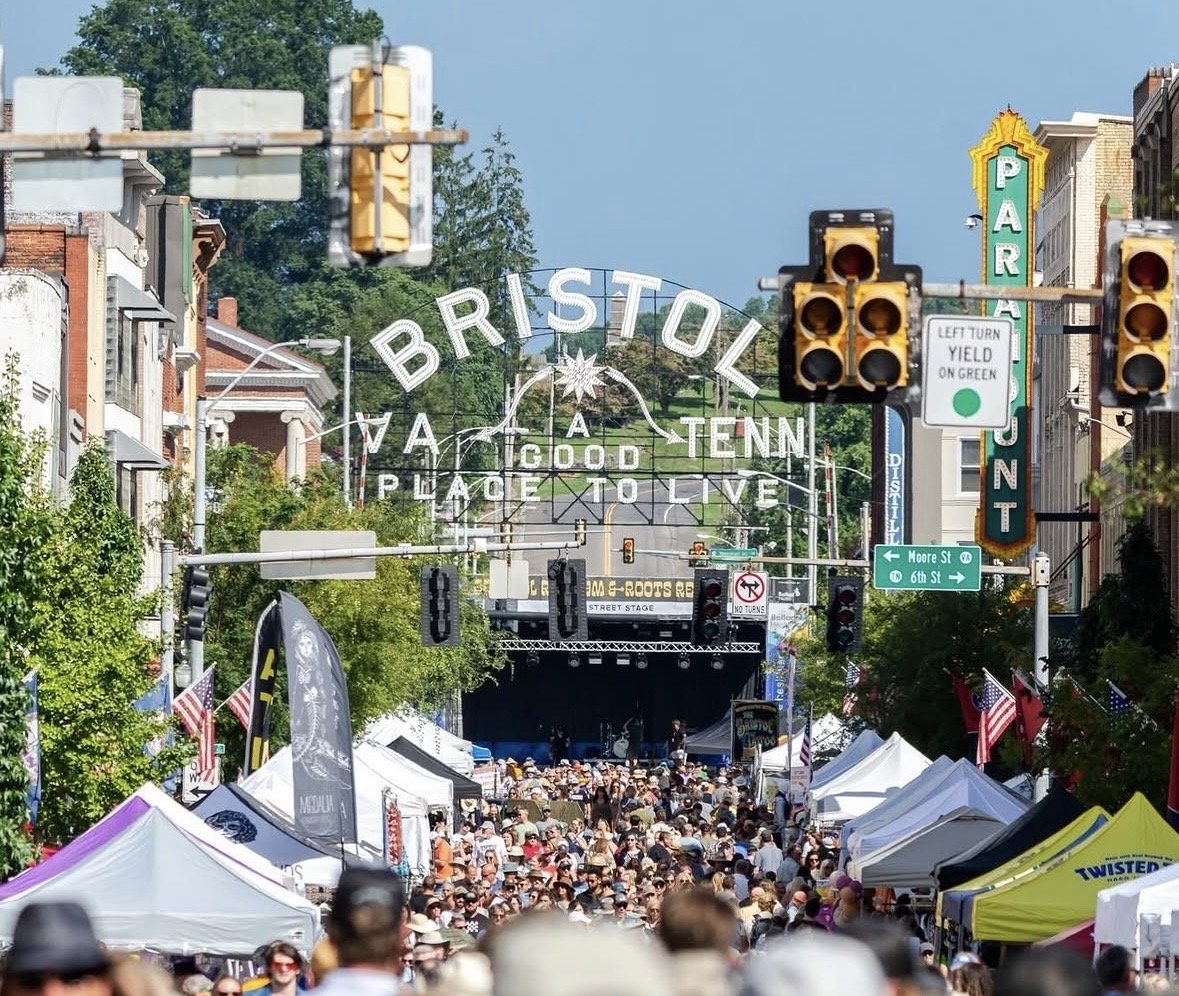
Rhythm & Roots Reunion
Friday, Sept. 11
Mr. Blake joins virtuoso cellist Dave Eggar and producer/songwriter Toby Gad for the 25th anniversary of Bristol’s Rhythm & Roots Reunion.
-
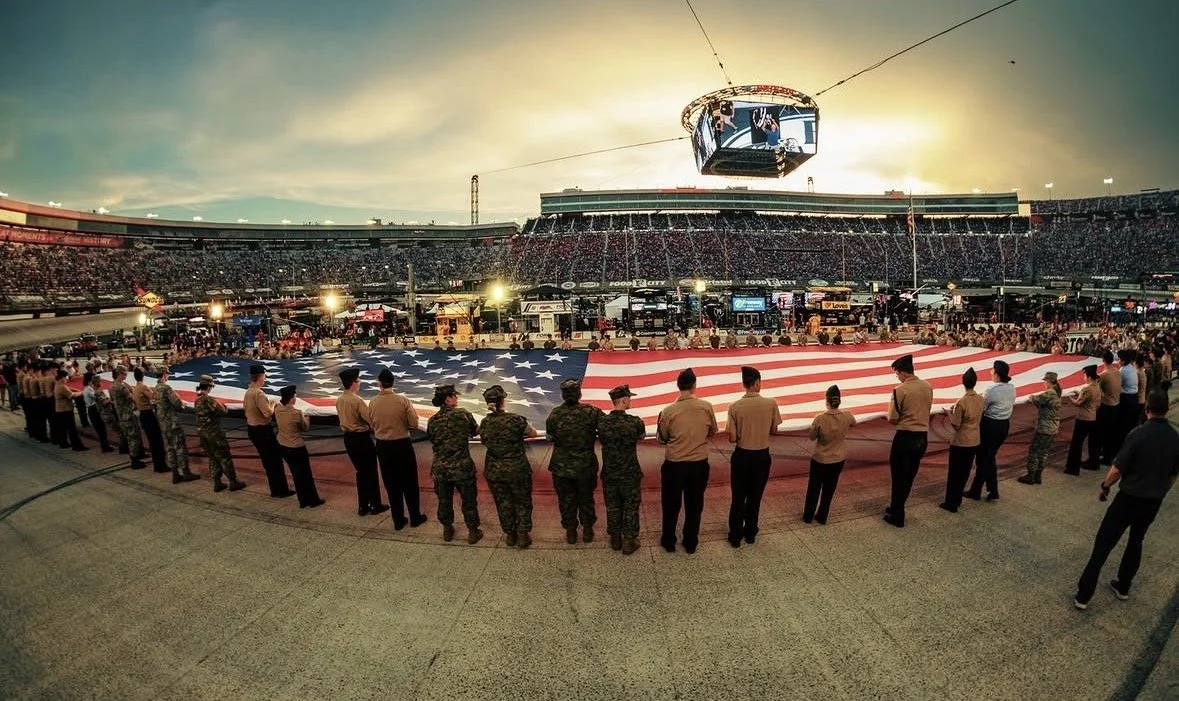
Bristol Motor Speedway
Friday, Sept. 18
Heading to the world’s fastest half-mile? Hear Mr. Blake sing the National Anthem during pre-race ceremonies at the Food City 300.
-
![A stylized red spiral against a white background, the logo of the Houston Grand Opera]()
SUSANNAH
Oct. 23, 25, 31 & Nov. 6, 8
Join HGO’s centenary celebration of Carlisle Floyd with his Appalachian-based American masterpiece.
-
![A blue-colored cartoon representation of Aaron Blake leaning on a piano]()
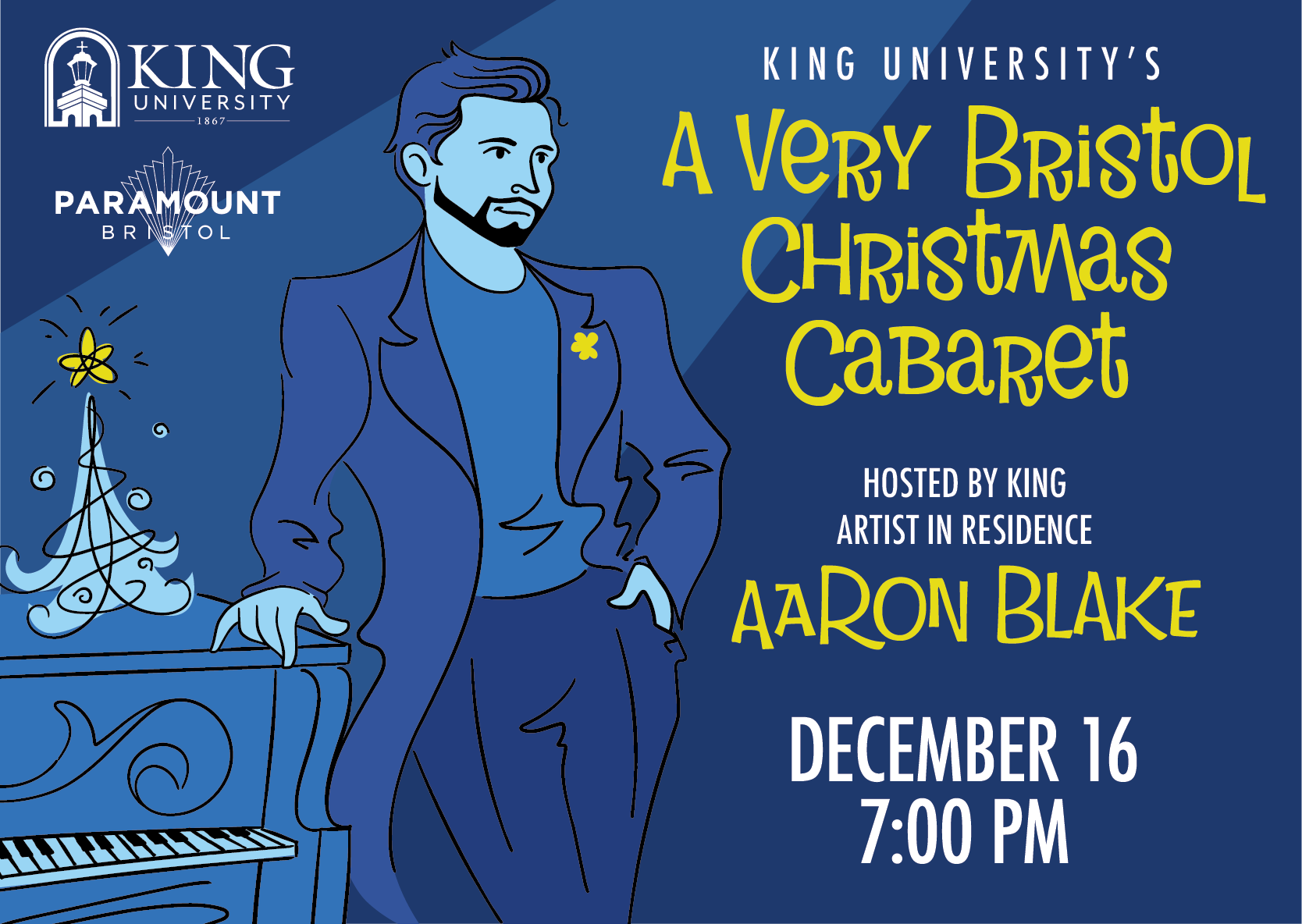
Aaron Blake & Friends: A Very Bristol Christmas Cabaret
Wednesday, Dec. 16
Find yourself transported to a 1950s-style cabaret in a night of vocal artistry and New York City-style sophistication, all in celebration of the season
-
![A photo of Aaron Blake, smiling, wearing a tux]()
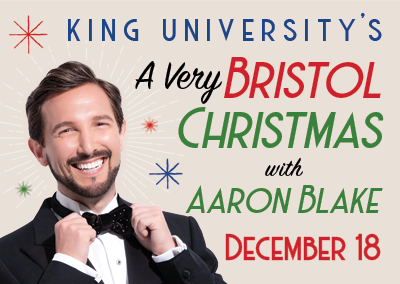
A Very Bristol Christmas 2026
Friday, Dec. 18
Gather with friends and family for this joyful community showcase featuring beloved holiday classics, sacred works and contemporary surprises
-
![Red Hebrew text on a black background celebrating the 40th anniversary of the Israeli Opera]()
THE MAGIC FLUTE
2026 dates temporarily postponed



Previous Performances
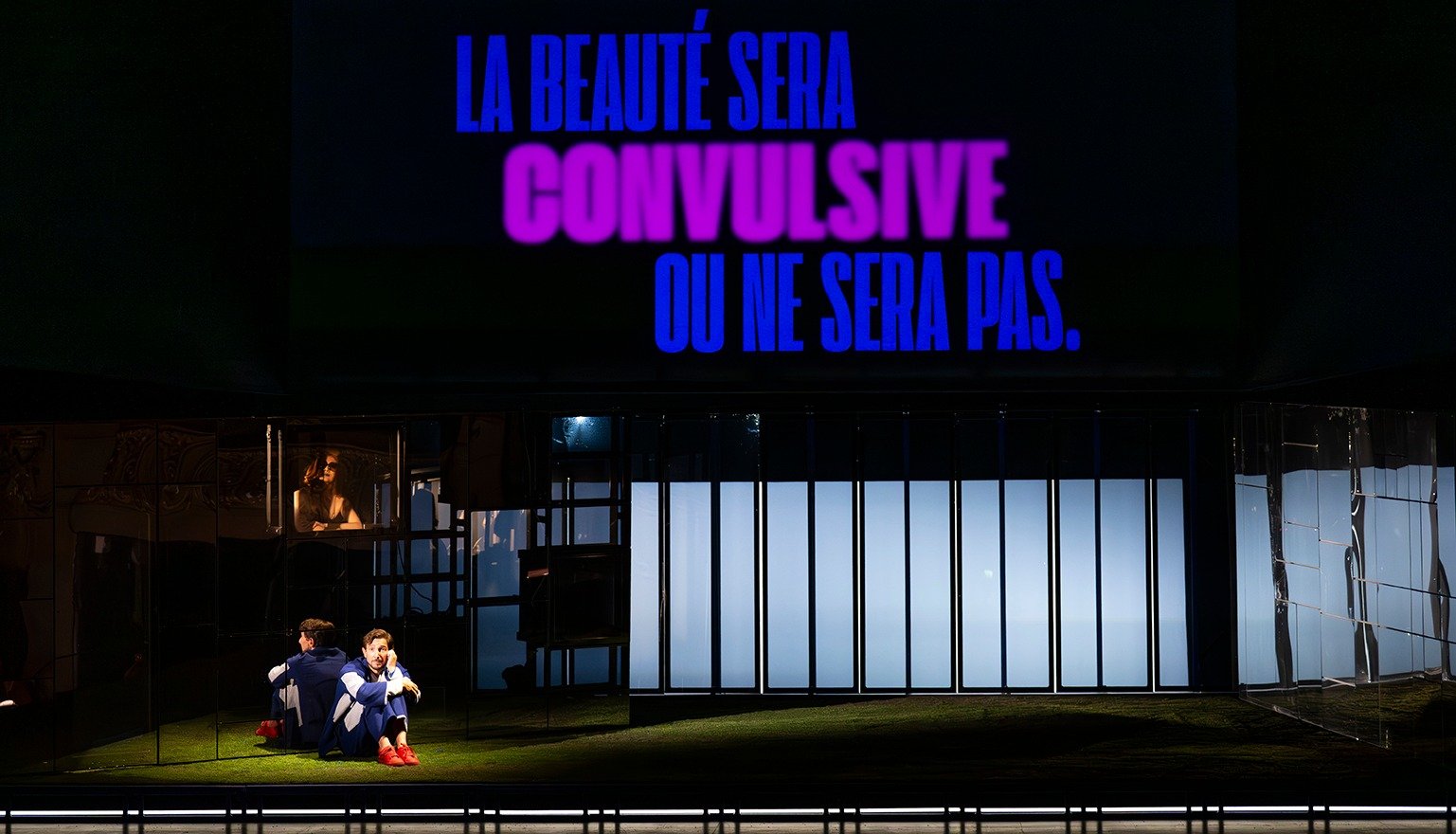
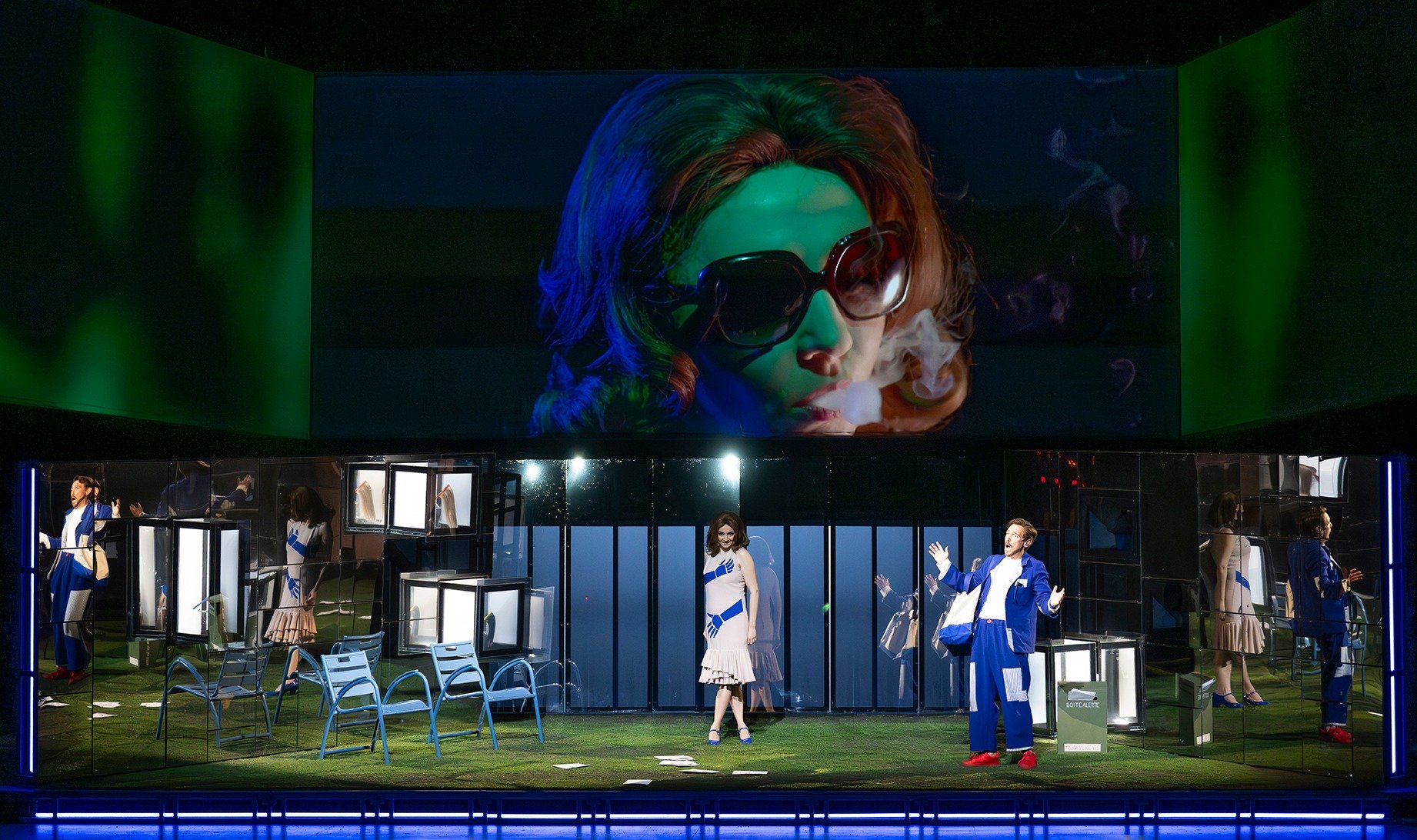
Juliette ou la clé des songes
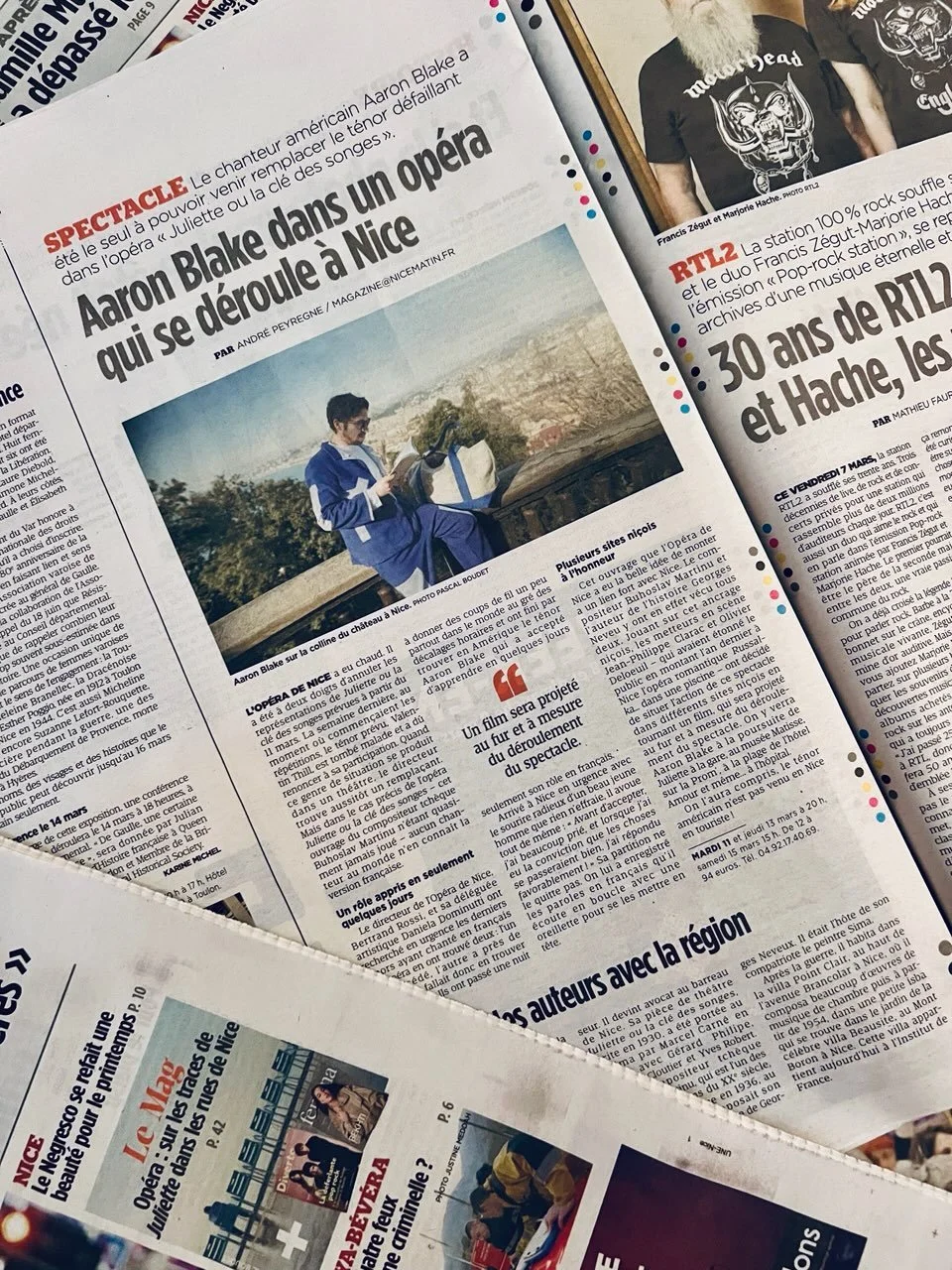
“Michel, a traveling salesman, spends one day in a small coastal town in the south of France. He discovers a young woman whose memory will haunt him forever, until he decides to return to the town in search of the beautiful stranger.
Inspired by a drama by the surrealist poet Georges Neveux, Martinů's Juliette ou la Clé des Songes explores the issues of love and memory, in a world where memories can be bought from a shopkeeper.”
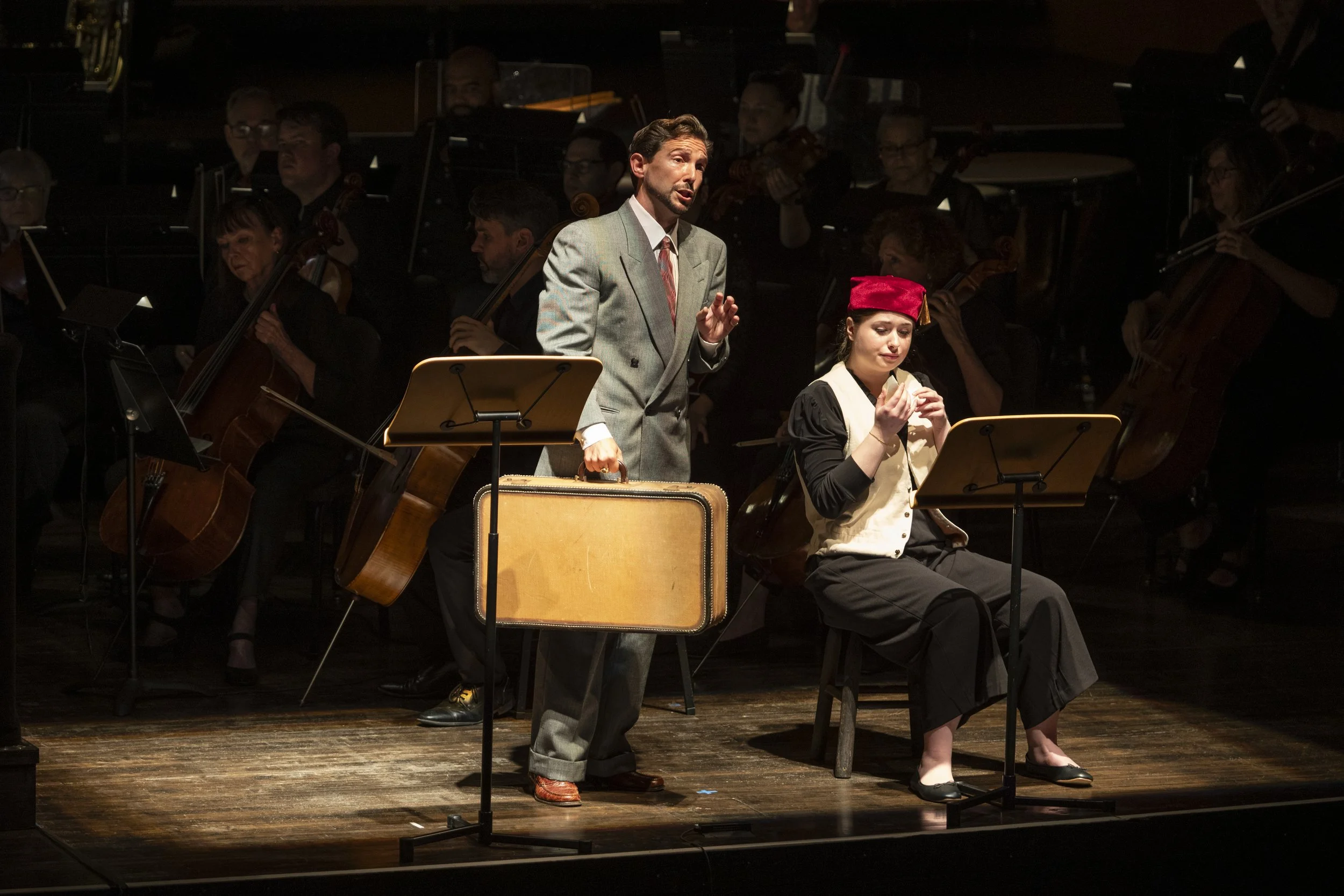
Julietta
“It seems oddly fitting, considering the elusiveness of surrealism itself, that perhaps the greatest surrealist opera was composed by someone who was not a surrealist at all. André Breton’s manifesto of 1924 had cobbled together a range of ideas—Marxism, symbolism, Freudianism, and others—into a shapeshifting doctrine that over the last century has had a profound impact on the worlds of art, literature, and theater. Three years later, the French author Georges Neveux wrote his play Juliette ou la Clé des songes (Juliette, or the Key to Dreams) under the influence of many of the ideas of the emerging movement, and a decade later Bohuslav Martinů was crafting his operatic masterpiece based on that play.”
Photo: Matt Dine
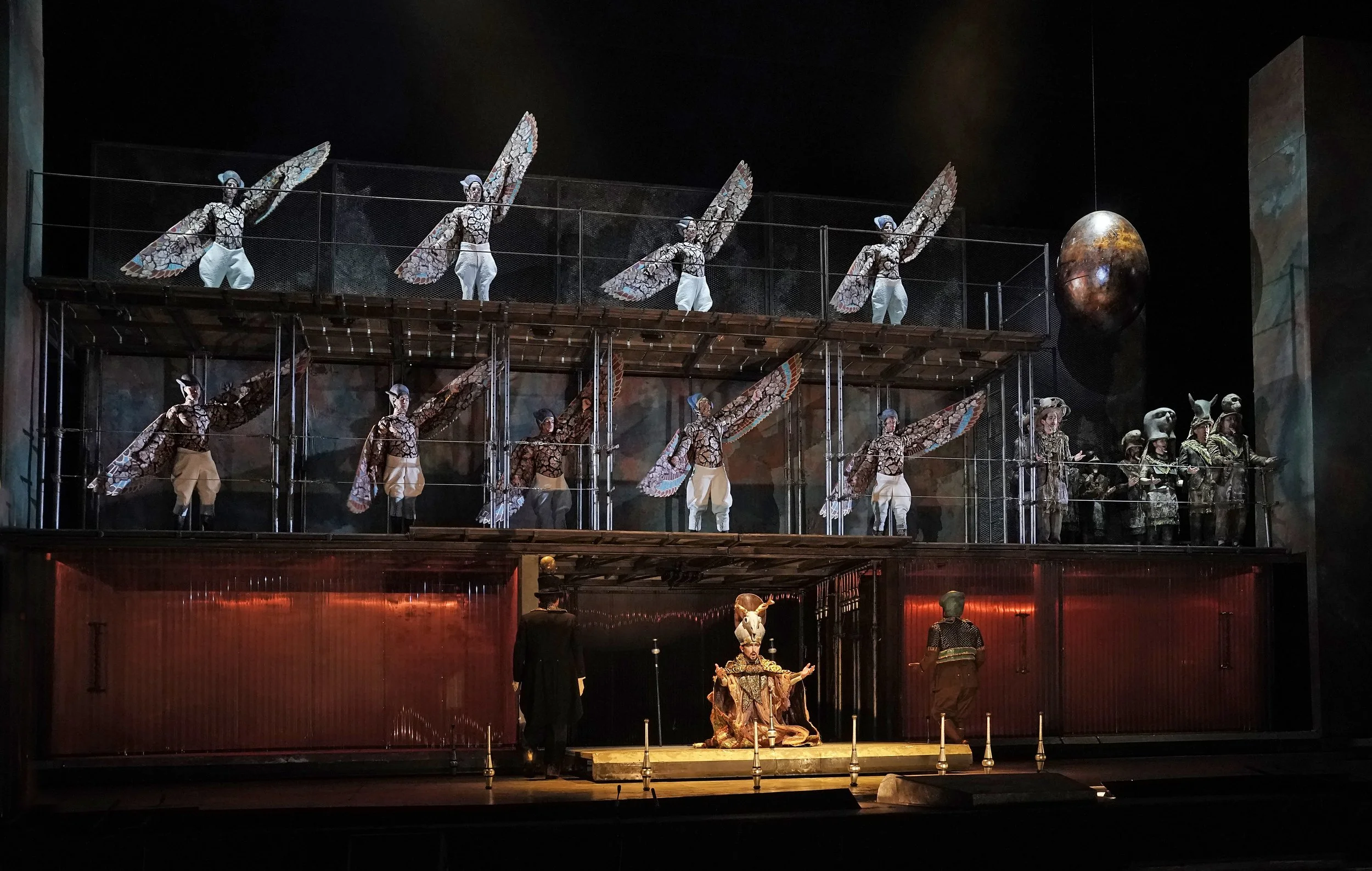
Akhnaten
“Akhnaten is one of Philip Glass’s three large-scale operas based on a “big idea,” in this case monotheism…Akhnaten, especially, deal(s) largely with the unseen forces affecting the inner (psychological), interpersonal (political), and universal (mystical) aspects of existence, subjects that are uniquely portrayed by the composer’s entrancing musical lines.”
Photo: Ken Howard/Met Opera